Asbestlint: A Simple and Helpful Guide
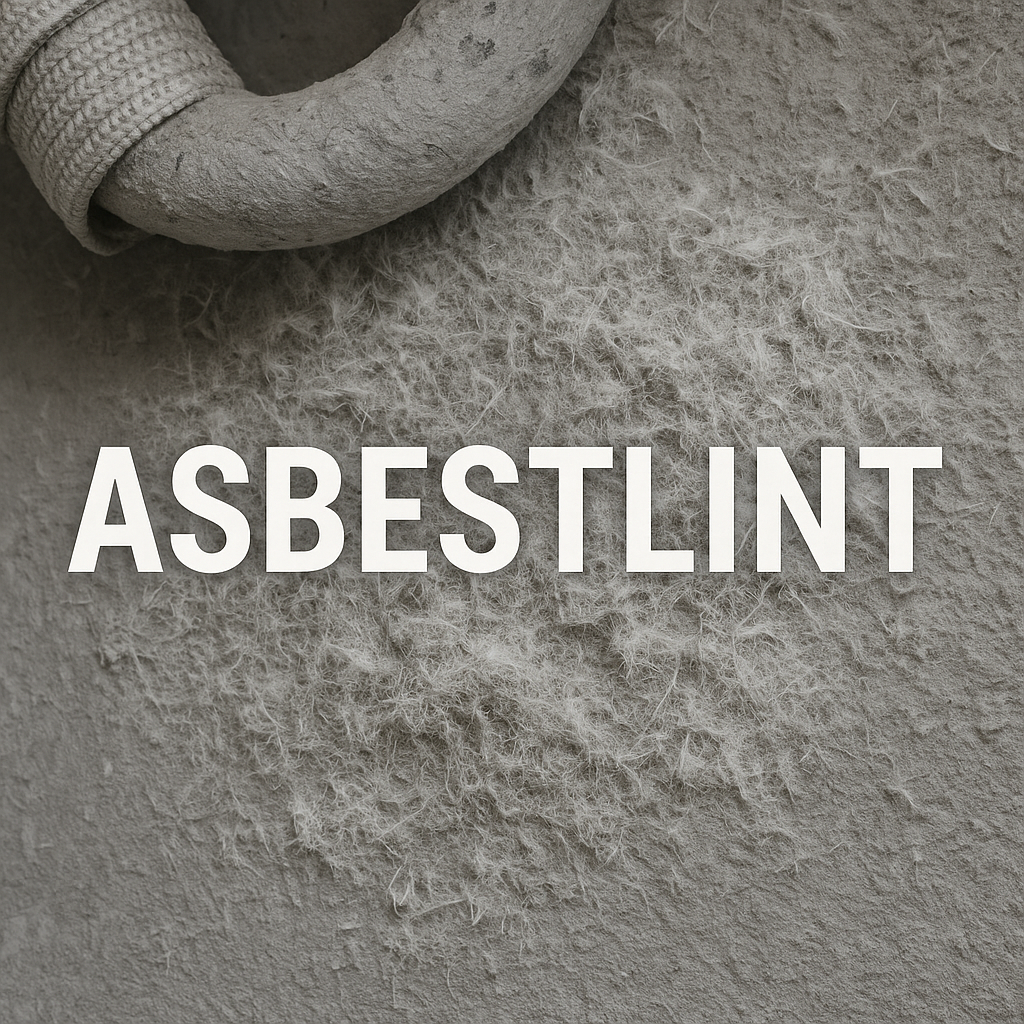
Asbestlint is a simple word used to describe old asbestos tape or soft, lint-like asbestos fibers found in many older homes and buildings. These materials were once used for heat protection, especially on pipes, boilers, and heating systems.
Over time, they can break down and release tiny fibers into the air, which can be harmful when breathed in. Understanding what asbestlint is and how to stay safe around it is important for anyone living in or working on older properties JonathonSpire
What Asbestlint Is
The word “asbestlint” is a simple name people use for old or broken asbestos materials. It can look like cloth, dust, or lint. It is not a legal word, but workers, renovators, and inspectors often use it when they see old insulation turning soft or dusty, asbestlint can release harmful fibers when touched, moved, or damaged. This makes it important to understand and avoid.
Where Asbestlint Is Found
Asbestlint is often found in older homes and buildings, especially ones built before the 1990s. It appears in places where old heating or insulation was used.
Common Places Where Asbestlint May Be Found
| Area | How It Was Used | Reason It Was Used |
|---|---|---|
| Pipes | Wrapped with asbestos tape | Heat protection |
| Boilers | Insulation covering the boiler | Fire and heat control |
| HVAC units | Tape around joints and ducts | Air and heat safety |
| Factories | Insulation near machines | High-heat protection |
| Ship engine rooms | Wrap on pipes | Heat control |
| Basements/attics | Old insulation layers | Long-lasting and cheap |
If your building is old, these areas may still have asbestos materials.
Why Asbestlint Was Used
Asbestlint materials were popular because they were strong, cheap, and safe to use at high temperatures.
Reasons Asbestlint Was Common
-
It did not burn
-
It could handle very high heat
-
It was low-cost
-
It lasted a long time
-
It was flexible and easy to wrap
-
It was widely available
People used it often before they knew the health risks.
Why Asbestlint Can Be Dangerous
Asbestlint becomes dangerous when it breaks down. Old tape or insulation can turn soft, dusty, or fluffy. When this happens, tiny asbestos fibers can float into the air.
Situations That Make It Dangerous
-
Old insulation cracking
-
Moving pipes or ducts
-
Vibration from heating systems
-
Renovation or drilling
-
Cleaning or sweeping dust
Once these fibers enter the lungs, they stay there and can cause harm.
Health Problems Linked to Asbestlint
Breathing in asbestos fibers can cause serious lung problems. These problems may take many years to appear.
Main Health Risks
Asbestosis:
A lung disease that makes breathing hard.
Lung Cancer:
Asbestos increases the chance of lung cancer.
Mesothelioma:
A deadly cancer that affects the lining of the lungs or stomach.
Simple Signs of Asbestlint
If you know what to look for, you can spot signs of asbestlint in older buildings.
Signs of Asbestlint
-
Soft, white, or gray fibers
-
Old cloth tape that is frayed or dusty
-
Fluffy insulation near pipes
-
Dust on floors near boilers
-
Tape that cracks or peels
-
Powdery material near HVAC systems
If you see anything like this, avoid touching it.
What To Do If You Think You Found Asbestlint
If you see asbestlint, stop working right away. The safest choice is to leave the area alone and call a professional.
Safe Steps to Follow
-
Stop work immediately
-
Keep people and pets away
-
Do not sweep, vacuum, or clean the area
-
Do not test it yourself
-
Call a licensed asbestos expert
Only trained workers can safely check and remove asbestos.
How Professionals Remove Asbestlint
Professionals use special tools and safety steps to remove asbestos. This keeps fibers from spreading into the air.
Steps Professionals Use to Remove Asbestlint
| Step | What Happens | Purpose |
|---|---|---|
| Close the area | Work area is sealed off | Stops fibers from spreading |
| Control the air | Machines create negative pressure | Keeps fibers inside |
| Wet the material | Spray water on asbestlint | Reduces dust |
| Remove carefully | Take off tape or lint slowly | Avoids breaking fibers |
| Seal waste | Put waste in special bags | Safe disposal |
| Test the air | Air is checked after work | Makes sure it is safe |
These steps keep buildings and people safe.
Modern Safe Materials That Replace Asbestlint
Today, builders use safe materials that do not release harmful fibers. These materials work well and are used in new homes and repairs.
Safe Alternatives
-
Fiberglass insulation
-
Rock wool / mineral wool
-
Ceramic fiber blankets
-
Asbestos-free high-temperature tape
-
Calcium silicate boards
-
Heat-safe fiberglass wraps
These materials do the same job without risks.
Safety Rules About Asbestlint
Even though “asbestlint” is not an official word, the materials it describes are controlled by asbestos laws. These laws help protect workers and the public.
General Safety Rules
-
Only trained workers may remove asbestos
-
Safety gear must be worn
-
Air must be checked during and after removal
-
Waste must go to special disposal sites
-
Renovation companies must follow safety steps
These laws help prevent unsafe exposure.
Environmental Impact of Asbestlint
Asbestos fibers can stay in the environment for many years. They do not break down easily. If asbest lint is not removed safely, it can harm air, soil, and buildings.
Environmental Concerns
-
Fibers can move through air vents
-
Old buildings can release dust
-
Soil around old factories may hold fibers
-
Illegal dumping can spread contamination
Safe removal protects both people and nature.
Myths About Asbestlint
Some people think asbestos is safe if it looks clean, but this is not true.
Common Myths
-
Myth: If it looks clean, it is safe.
Truth: Even clean-looking asbestos can release fibers. -
Myth: Anyone can remove it.
Truth: Only licensed workers should handle it. -
Myth: Only old factories have asbestos.
Truth: Many old homes have asbestos insulation.
Knowing these facts helps people stay safe.
Helpful Tips for Homeowners
If your home is old, it may contain asbestos materials. Take care when doing repairs or renovations.
Simple Tips
-
Check the age of your home
-
Look at pipes and heating areas before work
-
Avoid drilling or sanding old materials
-
Stop work if you see fluffy or dusty fibers
-
Call a trained inspector before big projects
-
Keep kids and pets away from suspect areas
A little care can prevent big dangers.
Why Learning About Asbestlint Matters
Asbest lint may look simple or harmless, but it can be very dangerous. Tiny fibers can cause long-term health problems. Knowing what it is and how to handle it can protect:
-
Your health
-
Your family
-
Workers in your home
-
Your property
-
The environment
The safest rule is always: Do not touch it—call a professional.
FAQs
What is Asbest lint?
Asbest lint is a simple word used to describe old asbestos tape or soft, fluffy asbestos fibers that look like lint. It is found in older buildings, especially near pipes and heating systems.
Why is Asbest lint dangerous?
Asbest lint can break into tiny fibers that float in the air. These fibers can be breathed in and may cause serious lung diseases many years later.
Where is Asbest lint usually found?
It is mostly found on old pipes, boilers, HVAC units, basements, attics, factories, and ship engine rooms where asbestos insulation was used.
How can I tell if something is Asbest lint?
Asbest lint often looks like soft, white or gray fibers, dusty cloth tape, or fluffy insulation. However, only a trained professional can confirm it.
What should I do if I see Asbest lint?
Do not touch it. Stop work right away and keep people away from the area. Call a licensed asbestos professional to inspect it safely.
Conclusion
Asbestl int is a hidden danger found in many older buildings. It may look like cloth, dust, or lint, but it can release harmful asbestos fibers into the air. These fibers can cause serious health problems many years later, the best way to stay safe is simple: Do not disturb asbest lint. Always call trained professionals. Today, we have safer materials to replace asbestos, but many older buildings still contain it. Understanding asbest lint helps you make safe choices during repairs and home projects.