Data as a Service DaaS: The Complete Guide
Today every business depends on data, companies that use data in smart ways grow faster and make better choices, dados as a Service or DaaS is a modern way to deliver data through the cloud, it gives quick access to clean and trusted information without the need to build your own data systems Lufanest
This guide explains what DaaS is how it works its benefits common uses security and simple steps to start using it
What is dados as a Service
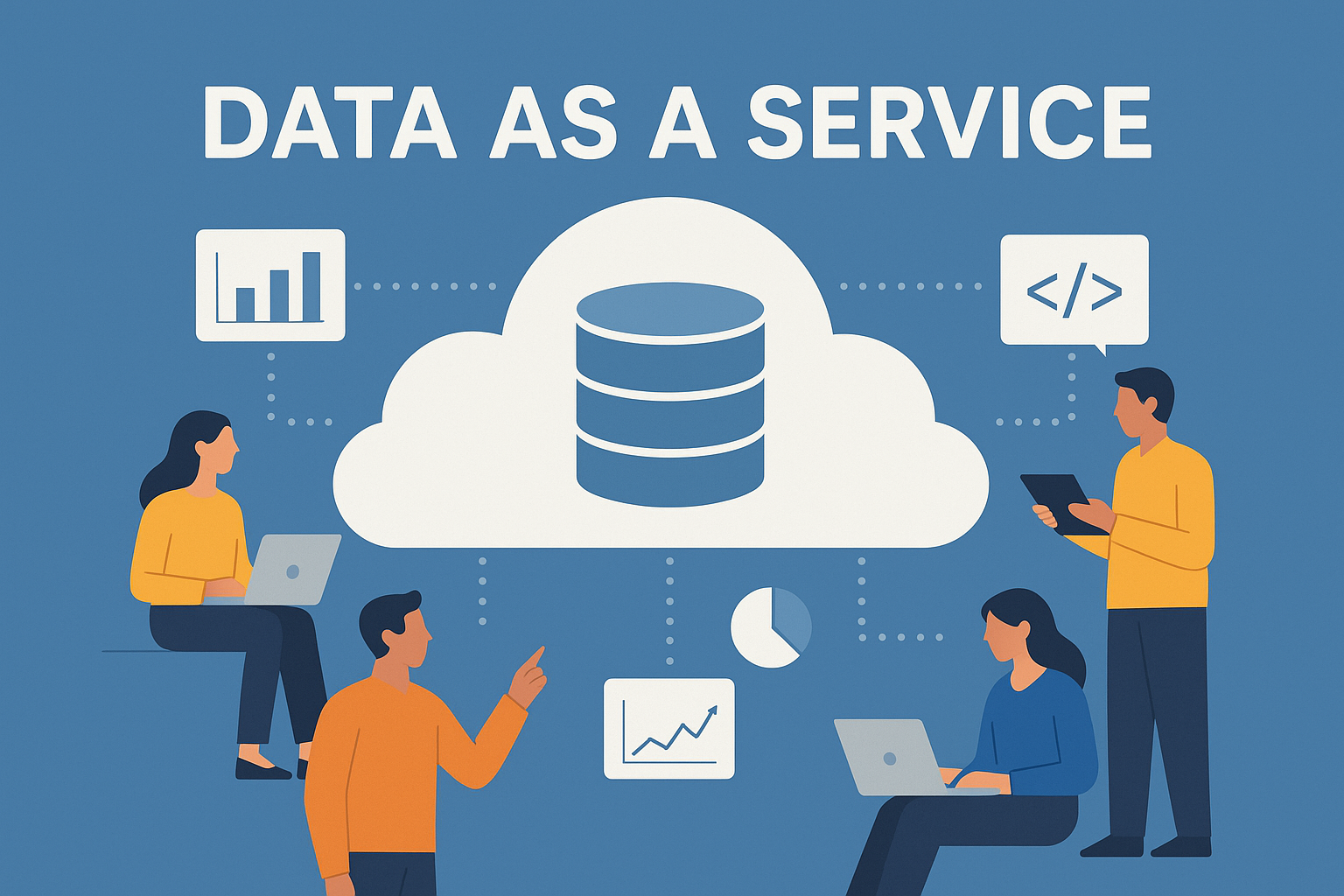
dados as a Service means using data as an online service, Instead of keeping large databases on your own servers a company can get data directly from the cloud, you can connect to the service with an API or download files when needed, the data is stored maintained and updated by a provider
In short DaaS turns data into an easy to use product, any team can access fresh information without managing complex systems
How dados as Works
DaaS works through a few clear stages, each one helps to prepare store and deliver the data safely
Collection
-
Data is collected from many sources such as business systems websites sensors and public data feeds
-
The data is gathered in real time or in daily updates
Cleaning
-
The data is checked for errors and duplicates
-
It is converted into a single format so it can be shared easily
Storage
-
The data is stored safely in a cloud system
-
Providers use large and secure data centers to keep it always available
Catalog
-
Each dataset is labeled and described in a catalog
-
Users can search by topic or keyword to find what they need
Delivery
-
Users get access through an API or a secure file download
-
Many services also connect directly to analytics or AI tools
Security
-
Access is protected by user accounts and keys
-
All data is encrypted and monitored to stop leaks or misuse
Main Benefits of dados as
Fast Access
-
You can get data within minutes instead of building your own pipelines
-
Teams can focus on insights instead of technical setup
Scalability
-
You can start small and grow as your data needs increase
-
The system can handle very large volumes without new hardware
Lower Costs
-
No need to buy servers or hire large IT teams
-
You only pay for what you use
Better Quality
-
Providers check and update the data often
-
You receive clean and reliable information
Focus on Business
-
Your team can focus on goals instead of maintenance
-
It supports faster decisions and innovation
Challenges of dados as
Every service has some limits, DaaS is powerful but needs good planning
-
Vendor lock in: it can be hard to change providers later
-
Variable costs: heavy data use can raise the bill
-
Network delay: slow internet can affect performance
-
Privacy rules: data must follow local and global laws
To reduce these risks choose trusted providers and always check contracts
Typical Layers in a DaaS System
| Layer | Purpose | Examples |
|---|---|---|
| Data source | Collect raw data | business apps sensors APIs |
| Processing | Clean and transform | validation tools quality checks |
| Storage | Keep data safe | cloud databases data lakes |
| Catalog | Describe datasets | search tools metadata tags |
| Delivery | Send data to users | API gateway secure download |
| Governance | Control access and rules | audit logs encryption user roles |
Popular Use Cases
dados as works for many industries and goals
Marketing and Sales
-
Add extra details to customer lists
-
Track buyer behavior and trends
-
Measure campaign success with real data
Finance and Risk
-
Check credit scores and identity
-
Detect and prevent fraud
-
Analyze payments and transactions
Logistics and Supply Chain
-
Monitor routes and traffic data
-
Predict delays or shortages
-
Optimize deliveries and inventory
Technology and Products
-
Personalize user experiences
-
Improve app performance with real metrics
-
Train AI models with high-quality data
Public Sector
-
Share open data with citizens
-
Improve transparency and policy design
-
Connect data between government systems
Security and Privacy
Handling data safely is a must for any DaaS project, the main goals are protection privacy and trust
Key Principles
-
Use data only for clear and legal purposes
-
Collect only what is necessary
-
Keep users informed about how data is used
-
Protect all records from unauthorized access
Protection Methods
-
Encrypt all stored and transferred data
-
Use strong passwords and multi-factor login
-
Regularly check for leaks or weak points
Governance
-
Keep full logs of who accessed which data
-
Appoint a data protection officer
-
Review data sources and rules often
By following these practices you stay compliant with laws such as the General Data Protection Regulation and local data laws
Data Governance and Monitoring
Good governance keeps your data clean and consistent, a solid DaaS platform should include
-
Clear documentation for every dataset
-
Records that show where each data point came from
-
Live checks of freshness and accuracy
-
Alerts for missing or outdated information
-
Version control so users know what changed
Governance builds confidence and helps prevent mistakes in analysis
Pricing Models
DaaS providers offer different ways to pay. Common models include
-
By volume: pay per record per API call or per gigabyte
-
By subscription: fixed monthly fee with usage limits
-
By dataset: pay for access to a specific type of data such as maps or market data
-
Custom plan: mix of options with support and guaranteed uptime
Tip Always check for extra costs like download limits or network transfer fees.
How to Choose a Provider
When you look for a dados as provider check the following:
-
Data quality: how often it is updated and verified
-
Coverage: how many sources and regions are included
-
Security: encryption authentication and access control
-
Uptime: how often the service is online
-
Integration: whether it connects to your tools easily
-
Support: help desk speed and clarity
-
Transparency: clear pricing and easy exit policy
The best provider is the one that fits your goals and can grow with your needs.
Steps to Start Using dados as
Define your goals
Decide what problems you want to solve with data
Choose the right provider
Compare quality speed and price
Run a small test
Start with one dataset or one department
Set clear rules
Sign agreements on privacy uptime and data use
Integrate the API
Connect it to your systems or analytics tools
Track results
Measure cost accuracy and business impact
This simple path helps you get value fast while reducing risk.
Implementation Models
There are three main ways to use DaaS
External dados as
You get data from an outside company. It is good for extra insights like market or demographic data
Internal dados as
You use the same model inside your own company. Each team offers its data as a service to others
Hybrid dados as
You mix both sources. It gives you flexibility and control over sensitive data.
Real Life Examples
E commerce Company
A retail store used DaaS to enrich customer profiles with behavior data
Result: 25 percent more conversions and better product targeting
Fintech Startup
A financial service connected to a DaaS provider to verify IDs in real time
Result: 40 percent fewer fraud cases during on boarding
Logistics Firm
A transport company used traffic and weather data from a DaaS feed
Result: 15 percent lower delivery costs and faster planning
Common Mistakes to Avoid
-
Choosing a cheap provider without checking data accuracy
-
Ignoring data privacy rules
-
Forgetting to monitor usage and cost
-
Skipping version control of datasets
-
Using old or inconsistent data sources
Avoiding these errors keeps your system reliable and compliant.
Dados as Quality Checklist
Before you sign up review this quick list
-
Data is verified and fresh
-
Service has clear uptime and accuracy goals
-
Privacy and data laws are followed
-
Encryption and security tests are active
-
API is documented and easy to use
-
Alerts and monitoring are available
-
Exit process and data export are simple
Frequently Asked Questions
What does dados as mean?
It means getting data through the cloud as a ready service instead of managing your own databases
Does dados as include personal data?
Sometimes yes, it must follow data protection laws and privacy controls
How is dados as different from a normal database?
A normal database only stores data, dados as gives you data that is already cleaned and prepared
Which formats can I get?
Most providers offer JSON CSV XML or Parquet files
How is the price decided?
You pay for what you use by record call or plan
Can I move to another provider later?
Yes if the data is exportable and your contract allows it
Conclusion
dados as a Service is changing how companies work with information, it brings speed security and simplicity to data use, teams no longer need to build complex pipelines or servers, they can focus on insights and decisions